Island Life · October 16, 2026 · 8 min read
Grand Turk in Summer and Fall: An Honest Off Season Guide
The short answer
Yes, Grand Turk is worth visiting between May and November. It is the warmest time of year, the sea sits at around 82 to 84°F (28 to 29°C), and the island is at its quietest. Summer is actually drier than winter by total rainfall: June to August average under 2 inches a month, against more than 2 inches in January. What you trade for that is hurricane season, which runs June 1 to November 30 and peaks in September, so book with flexible dates and keep an eye on the forecast.
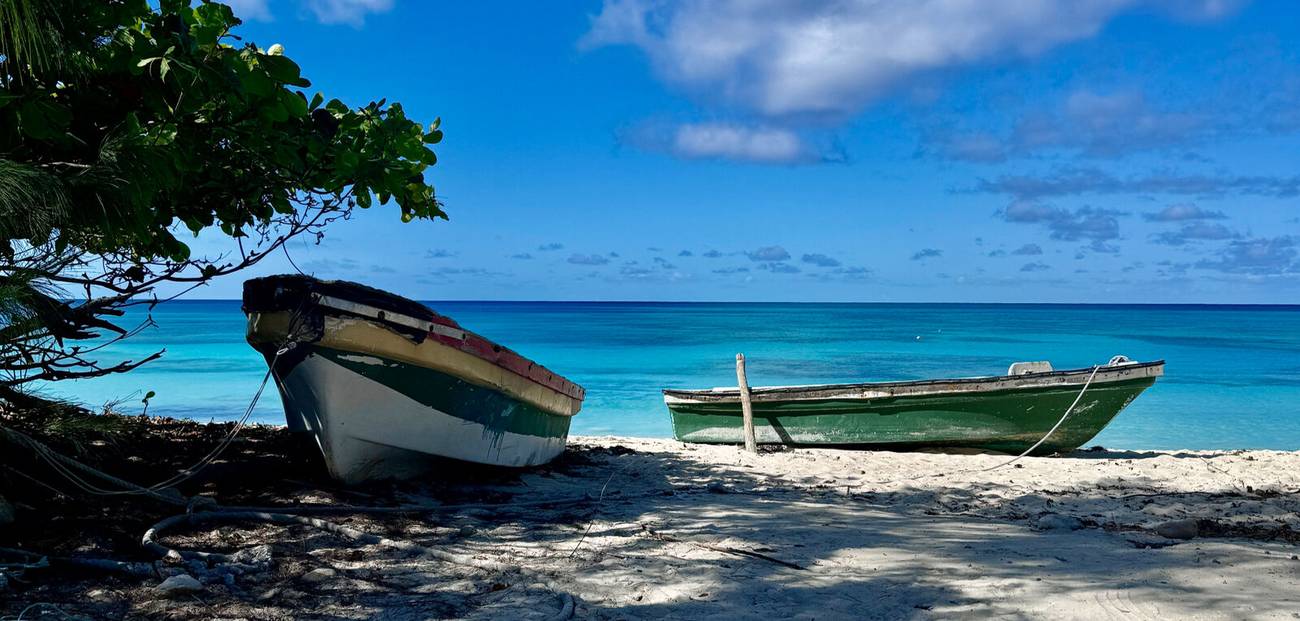
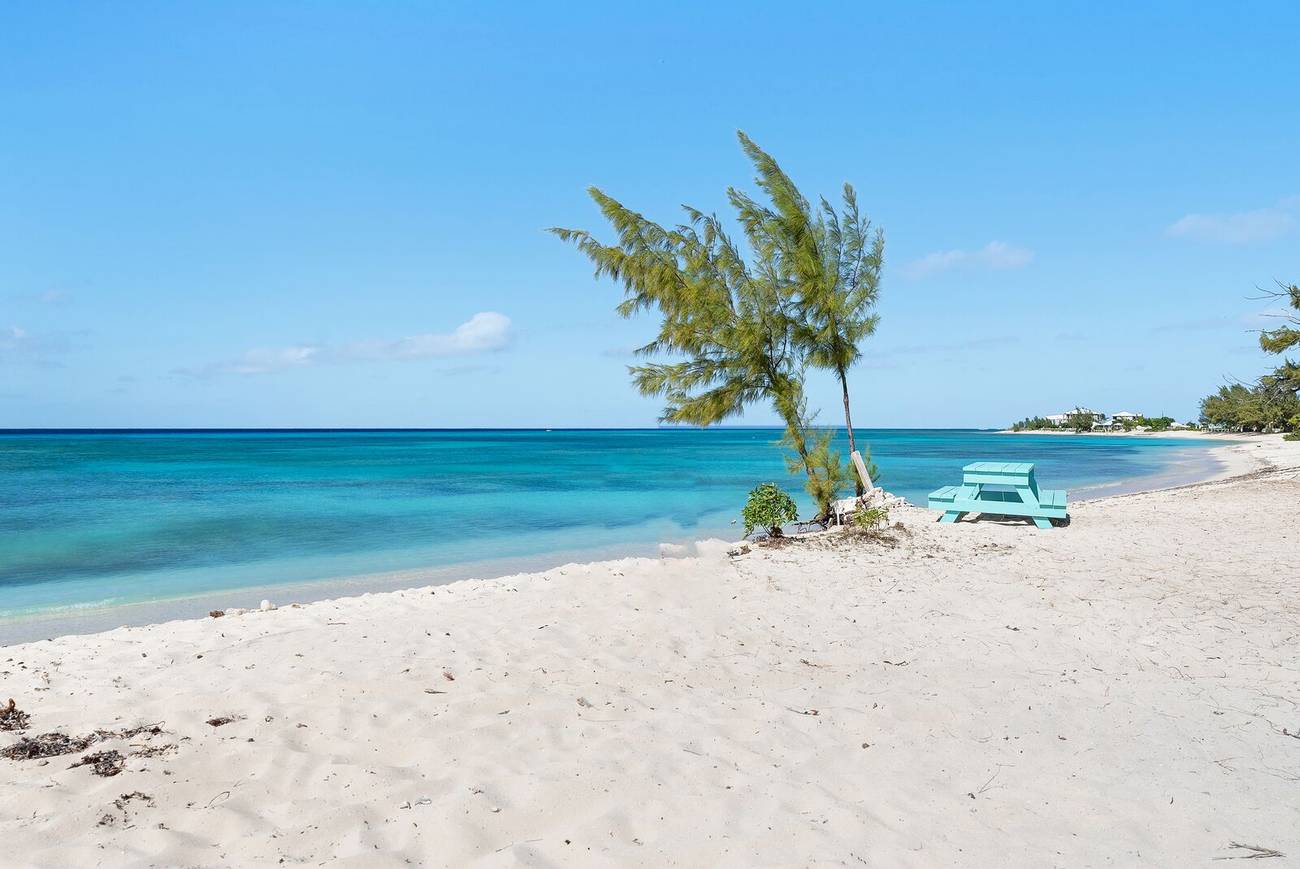
Most people picture Grand Turk in winter, when the cruise crowds, the whale watchers and the snowbirds all arrive at once. We own a beach house on Pillory Beach, and we can tell you the island has a second season that far fewer visitors know about. From May to November the water is bath warm, the beaches are close to empty and the pace drops from slow to slower.
This guide covers what the weather is really like month by month, how to think about hurricanes without panicking, what you gain and what you give up, and how to plan a summer or fall trip that goes smoothly.
Grand Turk weather from May to November
The numbers below are long term averages. We have added January for comparison, because the result surprises most people: the summer months get less rain in total than the middle of winter. What summer does have is more rainy days, which in practice means short, warm showers that pass in under an hour and leave the rest of the day bright.
| Month | High | Low | Sea | Rain | Rain days |
|---|---|---|---|---|---|
| May | 86°F 30°C | 72°F 22°C | 81°F 27°C | 1.7 in | 13 |
| June | 88°F 31°C | 73°F 23°C | 82°F 28°C | 1.7 in | 14 |
| July | 90°F 32°C | 73°F 23°C | 82°F 28°C | 1.5 in | 16 |
| August | 90°F 32°C | 75°F 24°C | 84°F 29°C | 1.9 in | 17 |
| September | 90°F 32°C | 73°F 23°C | 84°F 29°C | 2.7 in | 17 |
| October | 88°F 31°C | 73°F 23°C | 84°F 29°C | 3.5 in | 17 |
| November | 84°F 29°C | 72°F 22°C | 82°F 28°C | 4.7 in | 13 |
| January (compare) | 81°F 27°C | 68°F 20°C | 79°F 26°C | 2.1 in | 12 |
Source: weather2travel.com Grand Turk climate averages. Fahrenheit and inch figures converted and rounded.
May and June: the sweet spot
If we had to pick one off season window, it would be May into June. The winter crowds have gone, the sea has warmed past 80°F, the trade winds still take the edge off the afternoon heat, and the hurricane season has either not started or is only just beginning. It is a lovely time for snorkeling straight off the beach, since the water is warm enough to stay in for an hour without noticing.
July and August: hot, bright and the warmest water of the year
These are the sunniest months on the island, with around eight hours of sunshine a day and highs near 90°F (32°C). Plan beach time for the morning and late afternoon, and treat the middle of the day as time for a long lunch, a nap in the air conditioning or a shaded hammock. The sea reaches its peak at about 84°F, which makes this a favorite time for divers who prefer to skip the wetsuit. August 1 also brings two things worth knowing about: Emancipation Day, a public holiday across the Turks and Caicos, and the traditional opening of the spiny lobster season, so fresh lobster comes back onto local menus.
September and October: the quietest weeks on the island
This is the heart of hurricane season and the quietest stretch of the year. Some restaurants and smaller businesses take their own break and shorten their hours or close for a few weeks, so it is worth checking before you set your heart on a particular dinner spot. In return you get the warmest sea of the year, long empty beaches and the island much more to yourself. October is National Heritage Month in the Turks and Caicos, with cultural events held across the islands during the month.
November: the slide back into high season
November is the rainiest month on paper, but it is also when the heat eases, nights cool to the low 70s and the island starts to wake up for winter. Late November is a good value window before the holiday rush, and the hurricane season officially closes on November 30.
What about hurricanes?
This is the question everyone asks, so here is a straight answer. The Atlantic hurricane season runs from June 1 to November 30, and September is the month when a landfall in the Turks and Caicos is most likely. Grand Turk has had serious storms: Hurricane Ike in 2008, and Irma and Maria in 2017. The island recovered fully from both, and in most seasons no storm hits at all.
Modern forecasting also means you are rarely caught by surprise. A storm that might reach the islands is usually visible about a week ahead, and airlines often add extra flights out when one is coming. The practical advice is simple:
- Book flexibly. Read the cancellation policy on the listing before you book, and look for flights with low or no change fees.
- Buy travel insurance that covers weather disruption, or a cancel for any reason policy if your dates are fixed.
- Favor the edges. May, June and November carry much less risk than late August to early October.
- Watch the National Hurricane Center outlook in the two weeks before you travel. It shows any system long before it becomes a threat.
Our advice
If a storm is ever forecast for your dates, message us early. We would much rather help you move your trip than have you worry about it.
Why the off season works so well on Grand Turk
- You get the beaches to yourself. Grand Turk is quiet even in winter. From May to November, a stretch of Pillory Beach with nobody on it is normal.
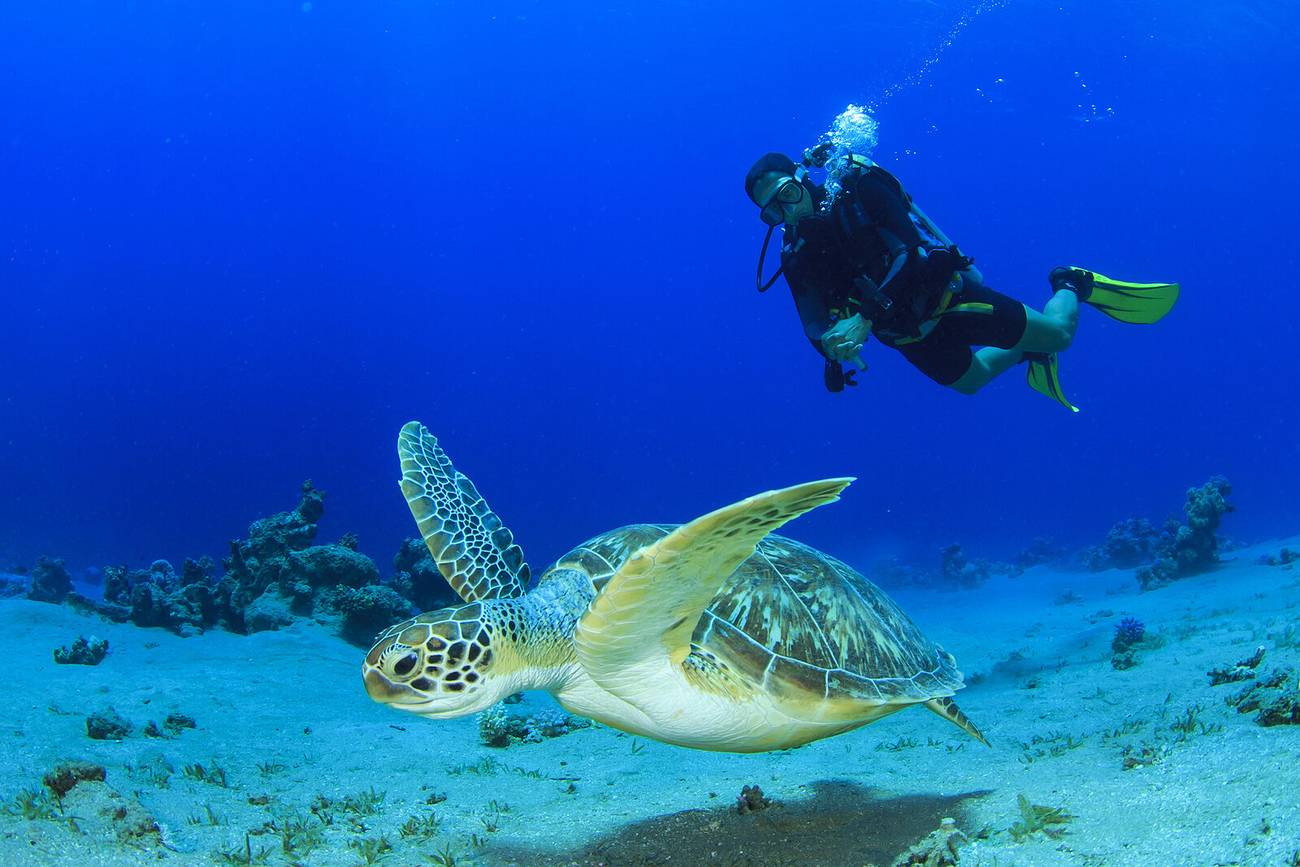
- The sea is at its warmest. From June to November the water stays at 82 to 84°F, perfect for snorkeling, swimming and diving the Wall, the vertical reef that starts a few hundred yards offshore and drops thousands of feet.
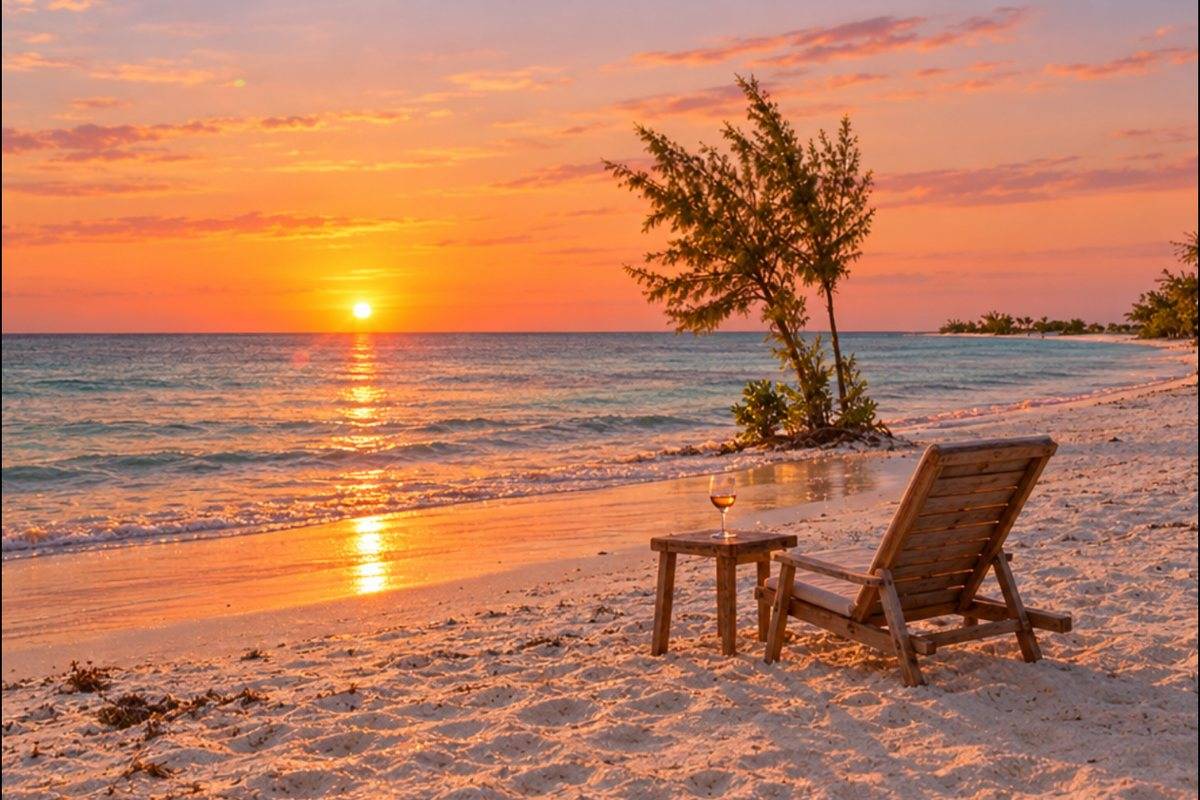
- Sunsets over the sea. Pillory Beach faces west, so the sun goes down over the water every evening, right in front of the veranda.
- More open dates. Winter books up months ahead. Summer and fall are when you can still choose your exact week, often at short notice.
- Lobster season. From August, fresh local lobster is back on the menu.
What is different, honestly
- No whales. Humpback whales pass Grand Turk from January to April. If whale watching is the reason for your trip, come in winter and read our whale season guide.
- It is hot in the middle of the day. Highs around 90°F from July to September mean shade, water and air conditioning matter.
- Some places keep shorter hours in September and October. A quick call before you go saves a wasted drive.
- Short showers are common. Pack a light rain layer and do not cancel your plans for one dark cloud.
How to plan a summer or fall trip to Grand Turk
- Pick your window. May to July for the lowest storm risk and steady trade winds, August to October for the warmest water and the most solitude, late November for cooler days before the holidays.
- Book refundable or changeable flights and check the stay's cancellation terms.
- Pack for heat: reef safe sunscreen, a hat, a rash guard for long snorkel sessions, insect repellent for the evenings and a light rain jacket.
- Plan the day around the sun. Beach and snorkeling early, lunch and siesta through the heat, then back out for the sunset.
- Check restaurant hours in September and October, and see our list of the best places to eat in Grand Turk.
Staying at The Sunflower Villa in summer and fall
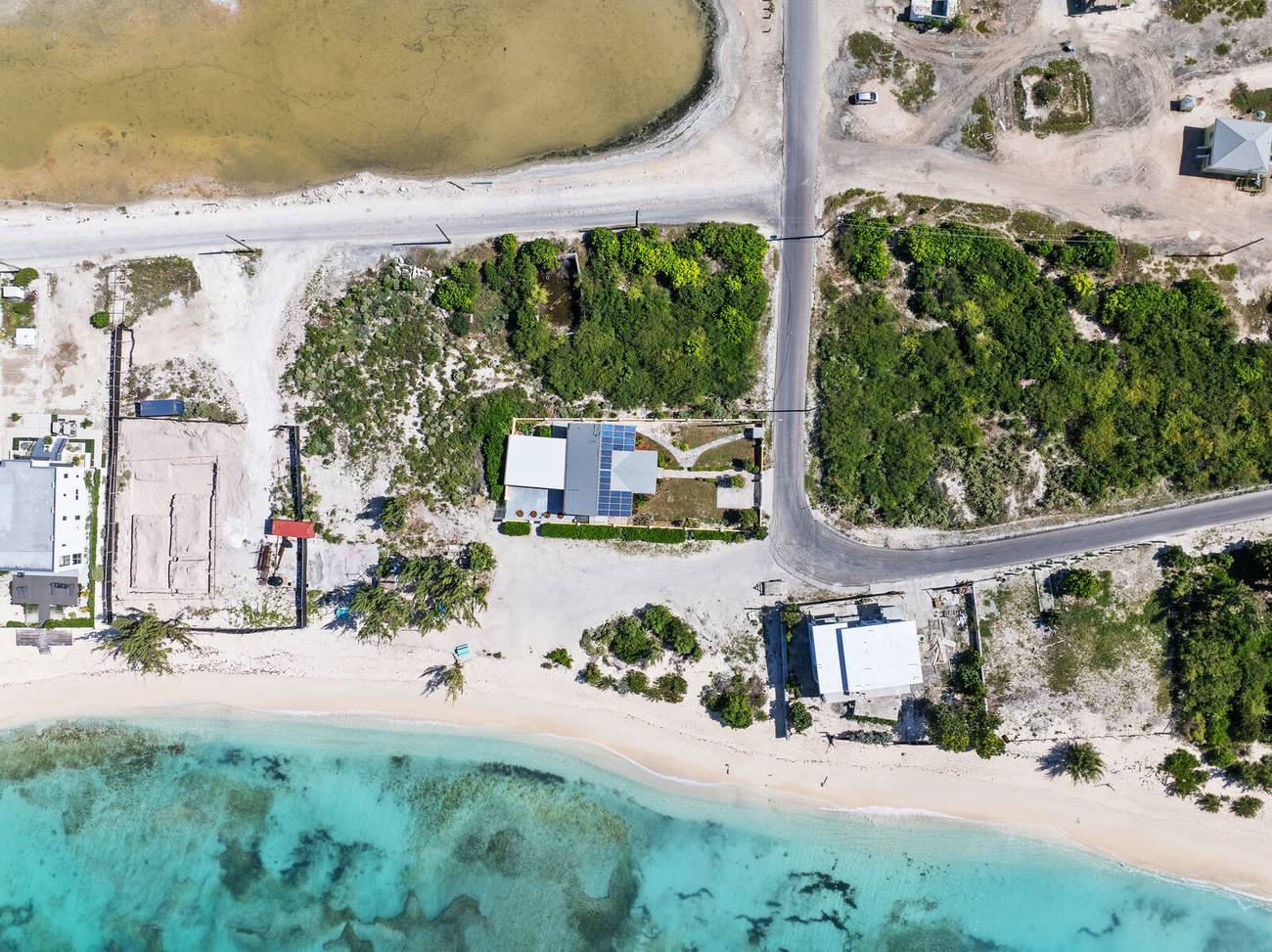
The Sunflower Villa is a three bedroom beach house sitting less than 40 feet from the water on Pillory Beach. It was set up with the warm months in mind:
- Independent air conditioning and a ceiling fan in every bedroom, plus the living room
- A covered veranda and hammock facing the sea, and an outdoor shower for rinsing off after a swim
- Beach chairs, umbrellas and snorkel gear included, with the reef reachable straight from the sand
- High speed Wi-Fi and a dedicated workspace, ideal for a longer summer stay that mixes work with the beach
- Complimentary airport transfers, and pets welcome on request at no extra charge
- Under a mile to the restaurants on Duke Street and five minutes to Cockburn Town
Summer and fall are also when you are most likely to find the dates you want. Walk through the house, then check availability on Airbnb or Vrbo below.
Off season questions
Is Grand Turk worth visiting in summer?
Yes. Summer brings the warmest water of the year, around 82 to 84°F, quiet beaches and long sunny days. June to August get less total rain than January. The main things to plan around are midday heat and the start of hurricane season.
What is the rainy season in Grand Turk?
Grand Turk is dry by Caribbean standards. The wettest months are October to December, peaking in November at around 4.7 inches. Summer has more frequent but brief showers and less total rain than winter.
When is hurricane season in Grand Turk?
June 1 to November 30, the same as the rest of the Atlantic. September is the month a landfall is most likely. Most years pass without a direct hit, and storms are usually forecast about a week ahead.
Can you see whales in Grand Turk in summer?
No. Humpback whales pass Grand Turk between January and April. Summer and fall are better for warm water snorkeling, diving and turtles.
What is the cheapest time to visit Grand Turk?
The quietest months, September and October, usually have the most open dates and the lowest rates across the island. May, June and late November are a good balance of value and lower storm risk.
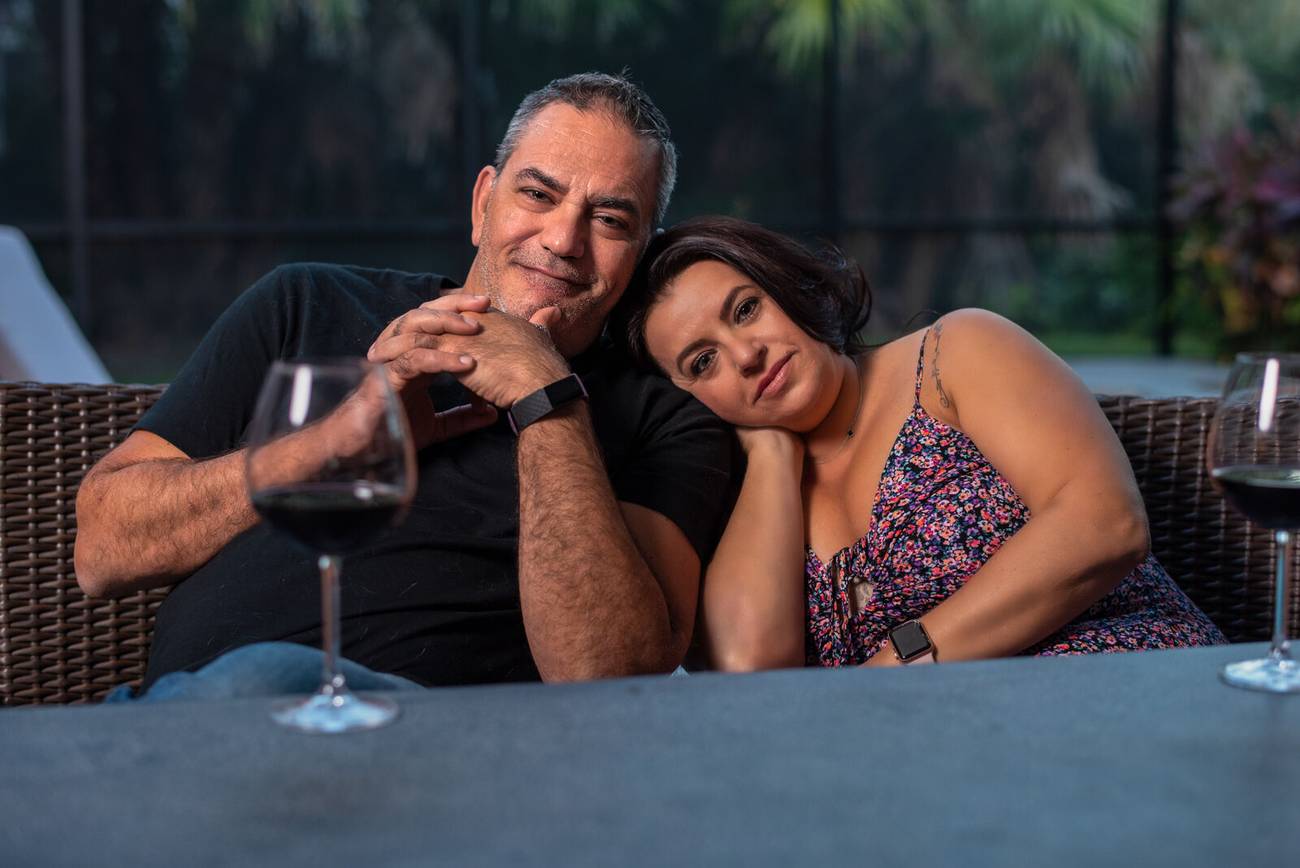
Owners of The Sunflower Villa on Pillory Beach, Grand Turk. We write about the island we fell for.